Reading and Writing
“The vast majority of video production concepts are driven by a combination of both practice and creative imperatives” (Fox, 2013). In “Video Pre-Production Planning Checklist“, Jimm Fox hits the nail on the head with one of the most important pillars of video production…the pre-production process. It is important to make sure you create creative briefs to define the messaging and audience as well as storyboards to plan out the shots before wasting time in production.
Storyboards can be very helpful in creating a plot for your production and also iron out any possible problems before production starts. In “Learn What is a Storyboard and How to Use it to Make Better Videos“, the article points out that storyboards serve as a common language between you and the team and help facilitate better communication. It helps all teams agree on the creative direction with visual references.
Once you have established your plan for your production, some basics on camera techniques and composition are explored in The Bare Bones Camera Course For Film and Video. For example, Tom Schroeppel explores composition tips such as the rule of thirds that involves “mentally dividing the frame into thirds horizontally and vertically” so that the eye naturally gravitates easily towards your subject (Schroeppel, 28). Lead room is also explored, which is defined as space in front of a character when they are looking to one side that gives the viewer some psychological idea of what they are looking at. Giving some thought to creating balance, the camera angle, frames within the frame, and leading lines to draw the viewers eye towards the subject all help create a more professional looking film.
Finally, some pre-planning of the camera moves is a great idea to decide on which technique will best tell your story. For example, using zoom outs, pans, and tilts help reveal information, whereas zoom in camera moves calls attention to a subject. Another example is shooting a montage where using tilts and different angles will help create variety so that it does not look like a bad cut between similar shots. Therefore, pre-production planning is essential to find the best techniques to convey your message to your viewers.
Research to Inform
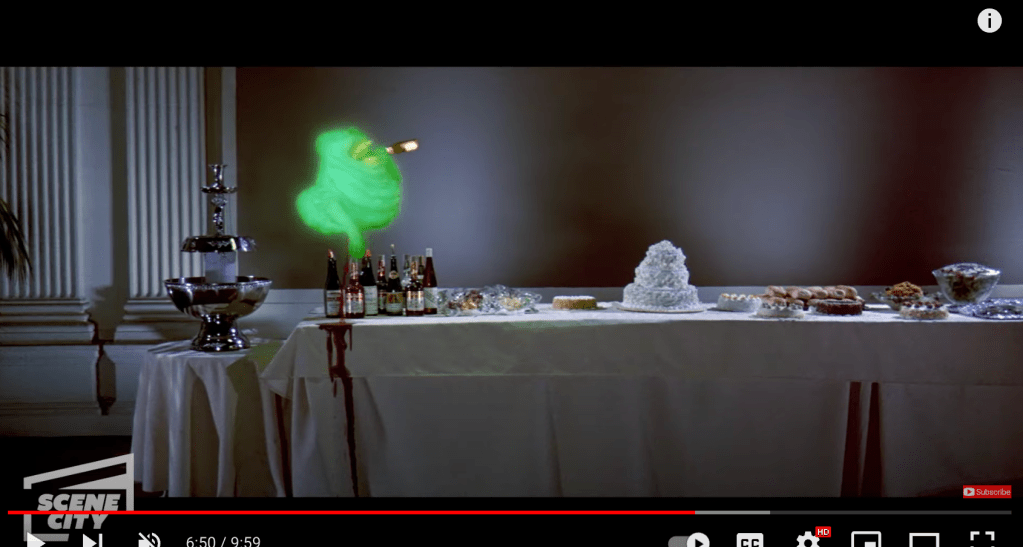
The rule of thirds is used in this clip from Ghostbusters at 6:48 to highlight the importance of the ghosts in this party scene. The ghost in the left third of the screen captivates our attention to keep our eyes on the ghost.
This shot of Leonard DiCaprio in The Revenant at 1:07 demonstrates lead room in a shot due to the space created in the direction that he is looking. This lead room creates the illusion of a vast outdoor wilderness.

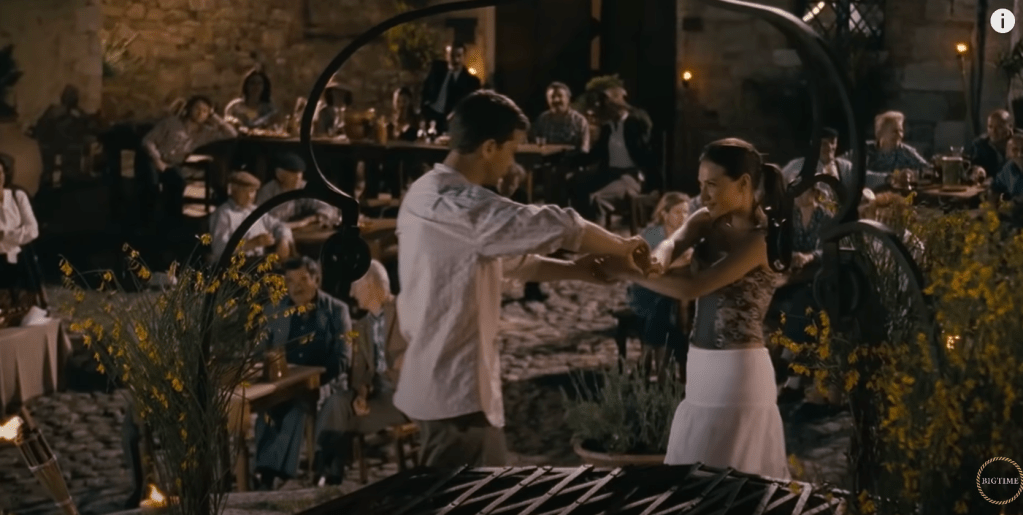
In Shadows in the Sun, the frame within a frame technique is used to call attention to the two leads and create a romantic bond by putting them in a frame at 1:13:56.
Create
After exploring some visual compositions in the worksheet below in Central Park, I thought of many ideas for an upcoming montage. Because all of the leaves were changing in Central Park, I created a pre-production planning document with the idea for my montage titled, Autumn in New York. By creating the brief and identifying the tone and feel of the montage, I decided it would be an add for tourists to visit New York City with nature and romance vibes. By taking photos with a tripod and iPhone 13 in the visual composition document in Central Park, I was able to find more ideas for my montage that I could add to my storyboard. For example, using the rule of thirds and identifying depth of field shots helped me find ideas to film for the upcoming montage.
Citations:
Athuraliya, A. (2022, November 24). Learn what is a storyboard and how to use it to make better videos. Creately. https://creately.com/guides/how-to-make-a-storyboard-for-video/
Fox, J. (2019b, December 16). Video planning checklist – 12 keys to success. One Market Media. https://onemarketmedia.com/2013/04/16/video-pre-production-planning-check-list-11-steps-to-a-successful-project/
Schroeppel, T. (2018b). The Bare Bones Camera Course for film and video.
 Becca Gottlieb Creative
Leave a comment