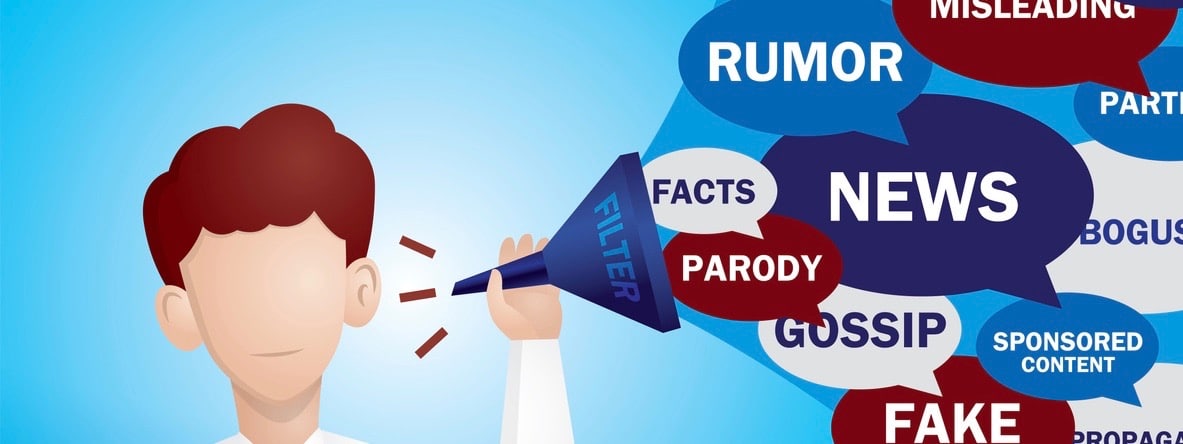
The power of media has exponentially grown in the past century and continues to gain more power every day. After reading, “Dancing with Systems” by Donella Meadows, I was surprised to find an interesting take on media and how it works in our society. The article made me take a step back and analyze the “systems” we live in and how to better create solutions for a healthier society. Meadows provides guidelines and information to live successfully in a world of systems. She calls her guidelines “system’s wisdom” and one specific example of the power of information spread through media stuck out to me.
Meadows highlights a situation in the beginning eras of environmental awareness. In 1986, in an effort to regulate the chemicals being released by power plants around the country, the US required all companies report all chemical emissions being released into the air. In 1988, local newspapers around the country published this information for the public to read due to the Freedom of Information Act that required this information to become a public record. The quote below demonstrates the power of the media spreading information when Meadows says:
“The reported emissions were not illegal, but they didn’t look very good when they were published in local papers by enterprising reporters, who had a tendency to make lists of “the top ten local polluters.” That’s all that happened. There were no lawsuits, no required reductions, no fines, no penalties. But within two years chemical emissions nationwide (at least as reported, and presumably also in fact) had decreased by 40 percent. Some companies were launching policies to bring their emissions down by 90 percent, just because of the release of previously sequestered information.”
(Meadows 1)
This example from the Donella Meadows Project exemplifies one of the guidelines addressed such as “honor and protect information.” The most important part of this example is the fact that action was taken because of the spread of information through mass media. The action was not taken due to any laws, fines, or legal penalties. This power of information was enough for these companies to create policies and change the amount of chemical emissions released into the environment. Facts cannot be ignored and the power of media cannot be underestimated to spread these facts.
I agree with this guideline and the moral principle to always protect and honor information, especially when it is publicly spread through mass communication outlets. However, we are living in an era where news on social media is being spread as quickly as official broadcast news sources. I believe this article needs an updated addendum to further clarify what it truly means to honor and protect information. I believe that to honor information is to identify and honor the facts but to also take into account the reliability and challenge the source objectively.
Anna Guildford in “Sharing News on Social Media Makes Us Think We Know More Than We Do” quotes Dr. Adrian Ward saying:
“When we share information on social media, we aren’t just sharing news — we are also sharing an image of who we are and what we know. Our research shows that the signals our behavior sends to others can influence the way we see ourselves; we begin to see ourselves as we believe we are seen by others.”
(Guildford 1)
Sharing news on social media can be extremely powerful and we need to pay close attention to the source and how it can persuade us when reading news from that source. For instance, reading news from friends connected by social media showed an increase in subjective knowledge when compared to sharing with strangers on the internet. We have increased power as our own news outlets in social media and with that power comes great responsibility.
In recent studies of people sharing articles on Facebook that they had actually read, it was found that “only 28% of participants described reading the full article before sharing, and 25% admitted to only having read a couple lines at all” (Guildford 1). This is extremely irresponsible behavior and leads to the spread of misinformation without being fully informed and aware of what we are spreading. We need to recognize the power we have to influence others over social media. Meadows says:
“Living successfully in a world of systems requires more of us than our ability to calculate. It requires our full humanity–our rationality, our ability to sort out truth from falsehood, our intuition, our compassion, our vision, and our morality.”
(Meadows 1)
This quote resonates with me because it explains that our job as humans in creating a moral environment comes from our ability to sort out truth from falsehood. Because we have so much power over others when we post on social media, we need to make sure to honor the information we are posting. When posting an article on social media, we need to at least read the entire article we are posting, consider the source, and take a step back to recognize the audience and who would be influenced by it. Although not everyone works in broadcasting, but we do have a growing amount of power in our systems to spread information. As humane creatures, we must be responsible and cognizant of the news we spread and should not underestimate the amount of power we have through social media.
Citations:
Guildford, A. (n.d.). How does sharing news on social media affect us?. Medical News Today. https://www.medicalnewstoday.com/articles/sharing-news-on-social-media-makes-us-think-we-know-more-than-we-do#Our-relationship-with-social-media
Meadows, D. (2014, January 20). Dancing with systems. The Academy for Systems Change. https://donellameadows.org/archives/dancing-with-systems/
 Becca Gottlieb Creative
Leave a comment